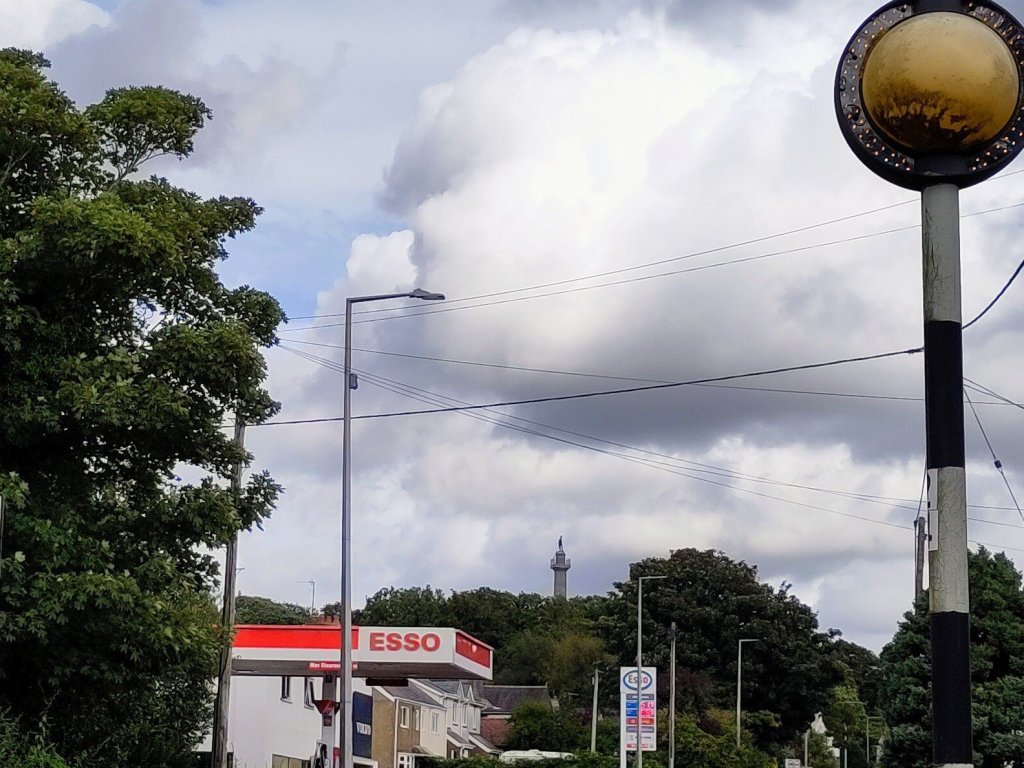
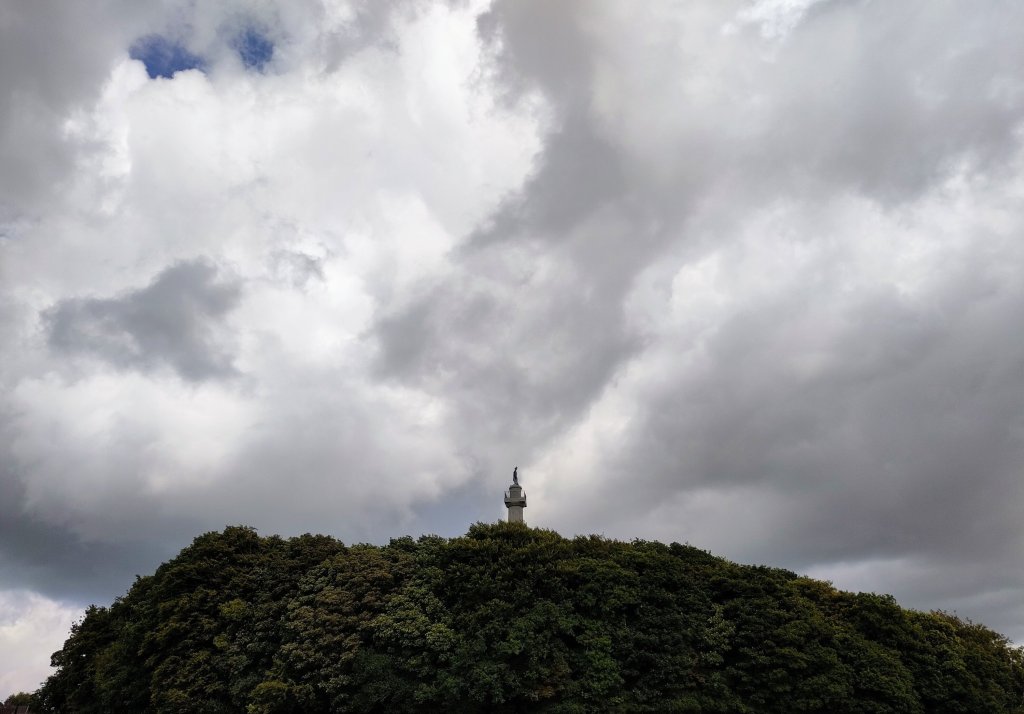
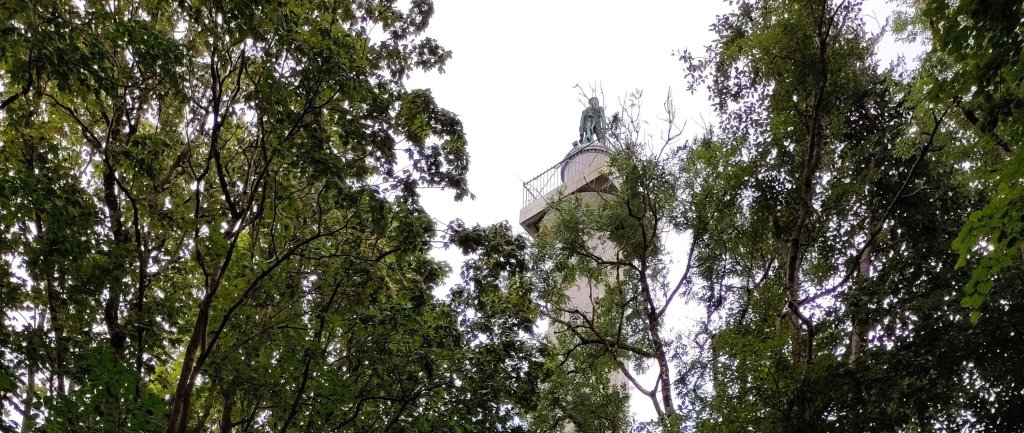
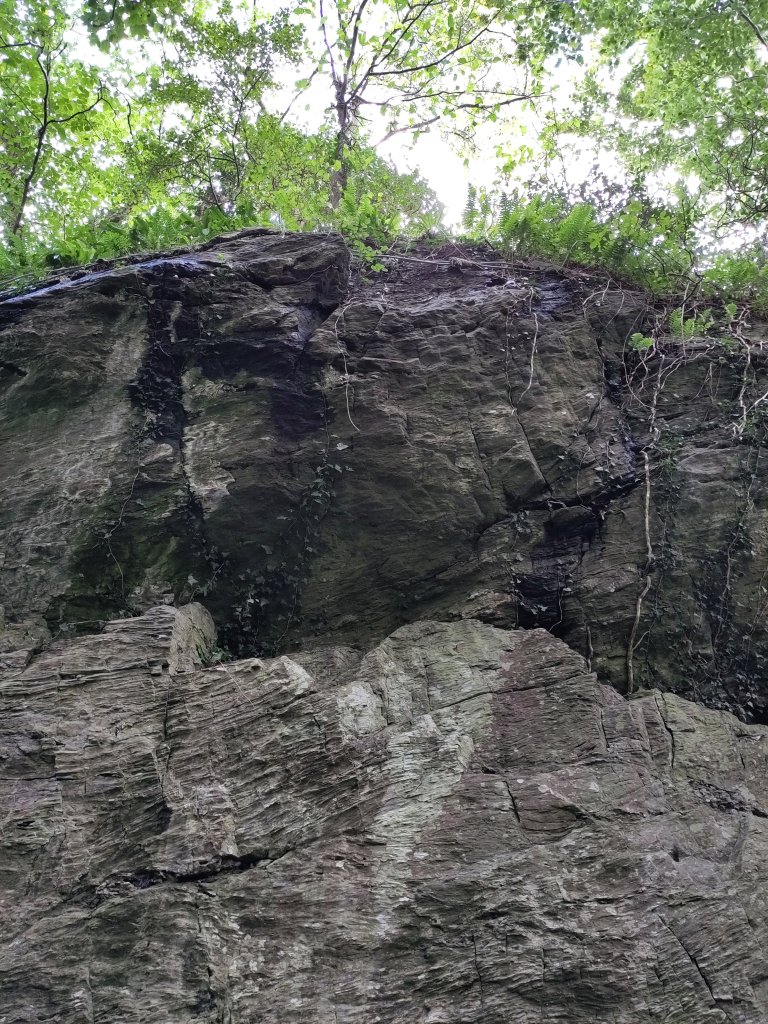
The Marquess of Anglesey was someone famous in the Battle of Waterloo. More importantly for our story his monument was built on a prominent exposure of blueschist rock.
In my previous post I told of my new-found understanding of its formation. How it originated as a fine grained rock called basalt that forms when lava erupts under the sea and cools very quickly. Then I told how such basalt rock on the ocean bed can be pushed sideways until it gets pushed down under a continental plate in a process known as subduction.
As it gets pushed down it is subjected to pressures higher than I can easily imagine. But, if at a depth of about 35 kilometres (less than 1% of the distance to the centre of the Earth!) it was thrust upward due to volcanic forces and/or earthquakes, before it had a chance to actually melt, then, over the course of millions of years, it would appear on the surface, metamorphosed into blueschist.
The fact that this particular outcrop of blueschist happens to be one of the oldest examples in the world is why geologists get excited about it. However, my interest is not that it has been dated to up to 590 million years ago, the Precambrian era. It is that an understanding of how it was formed only became possible with the concept of plate tectonics.
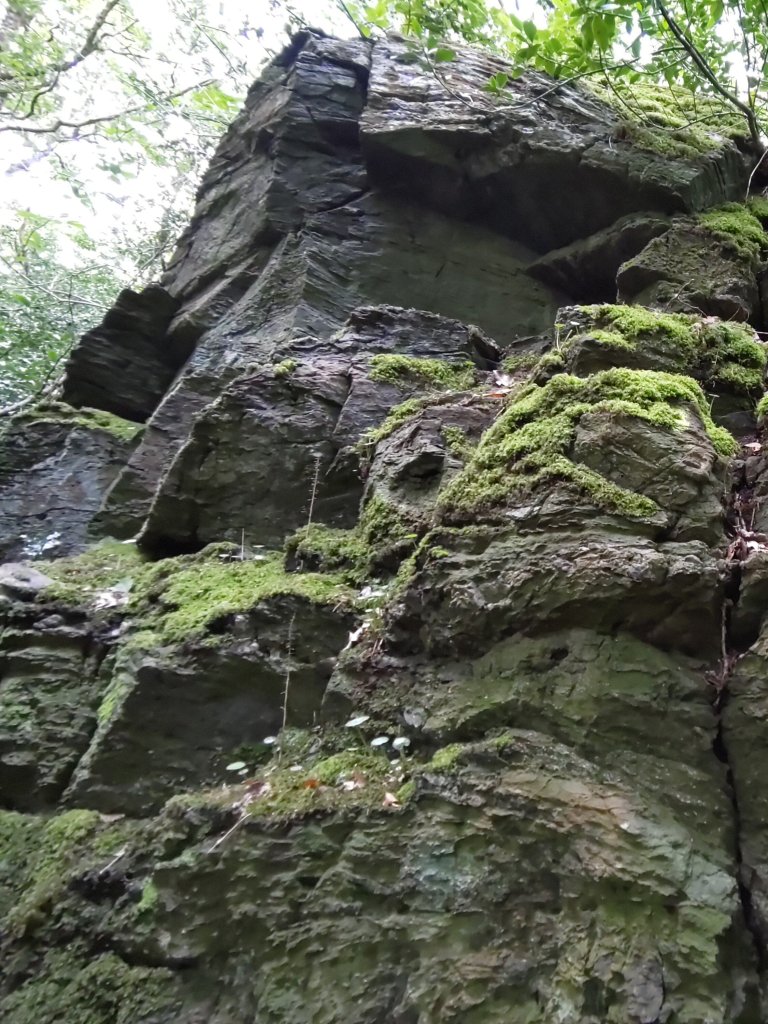
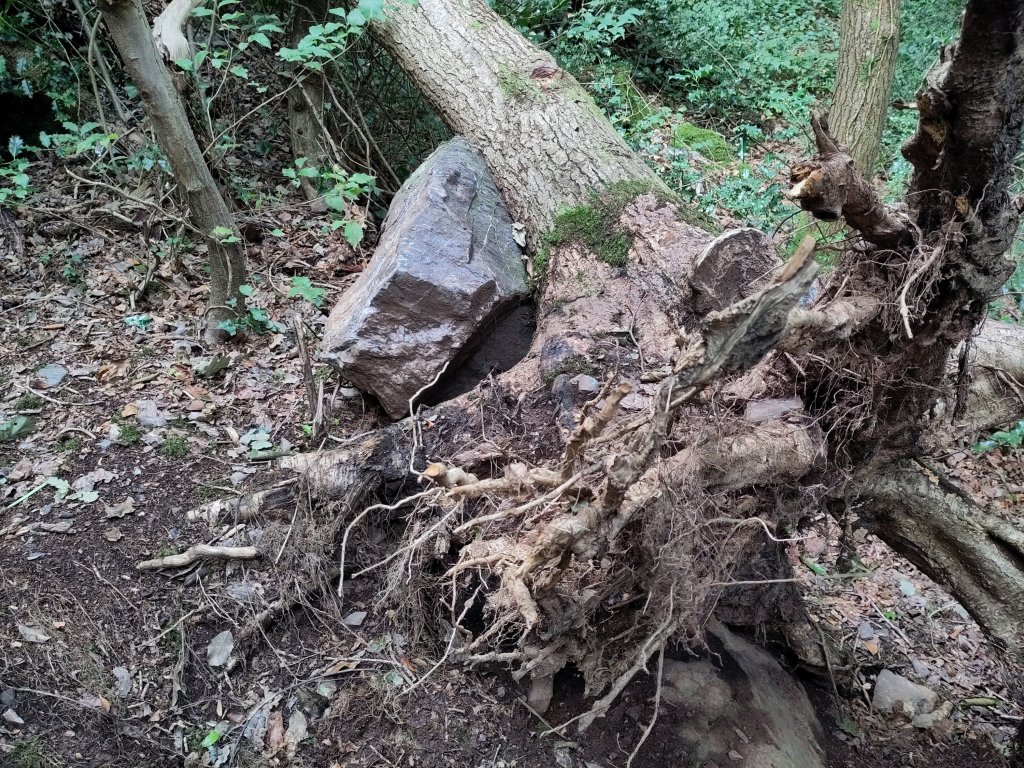
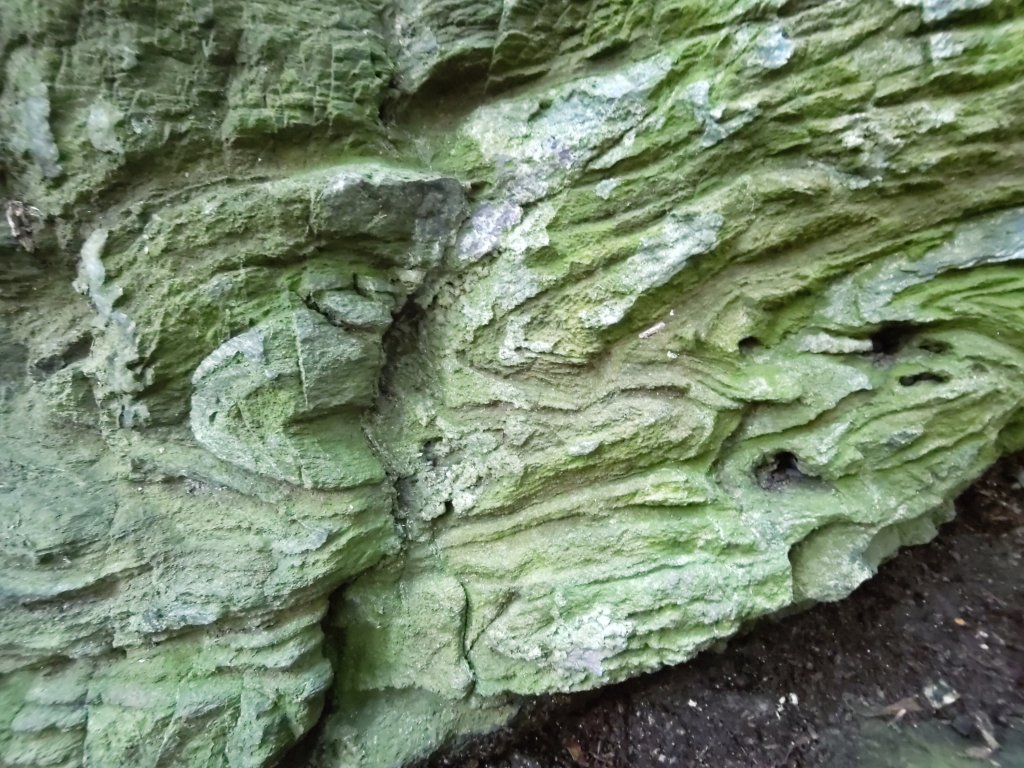

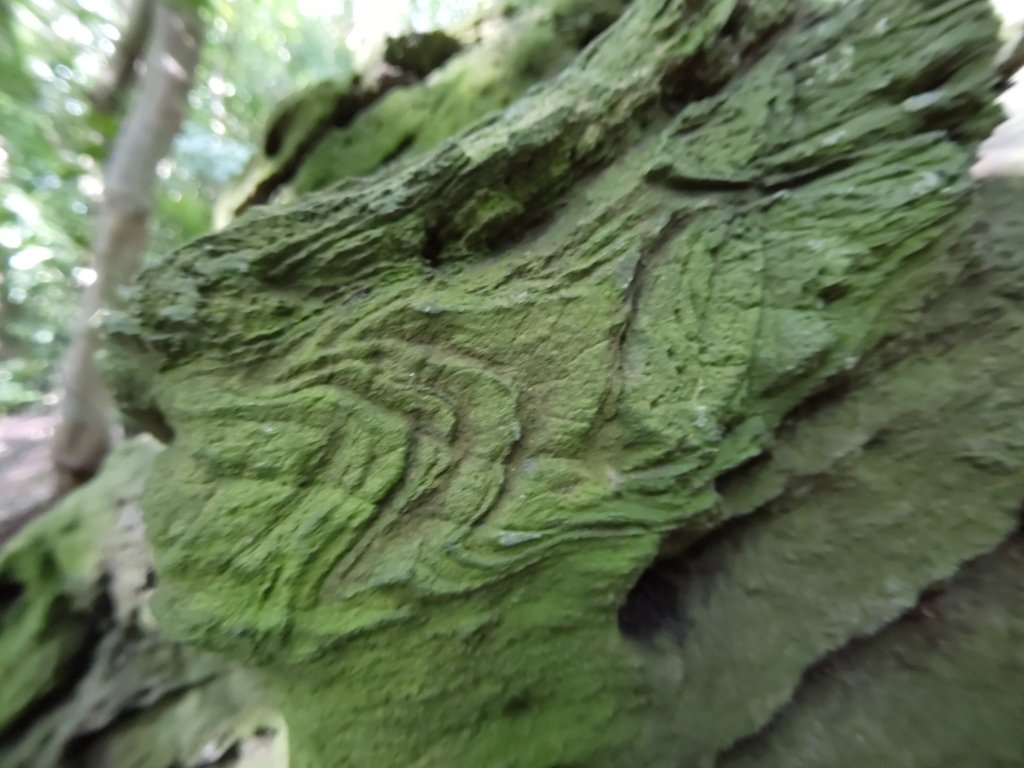
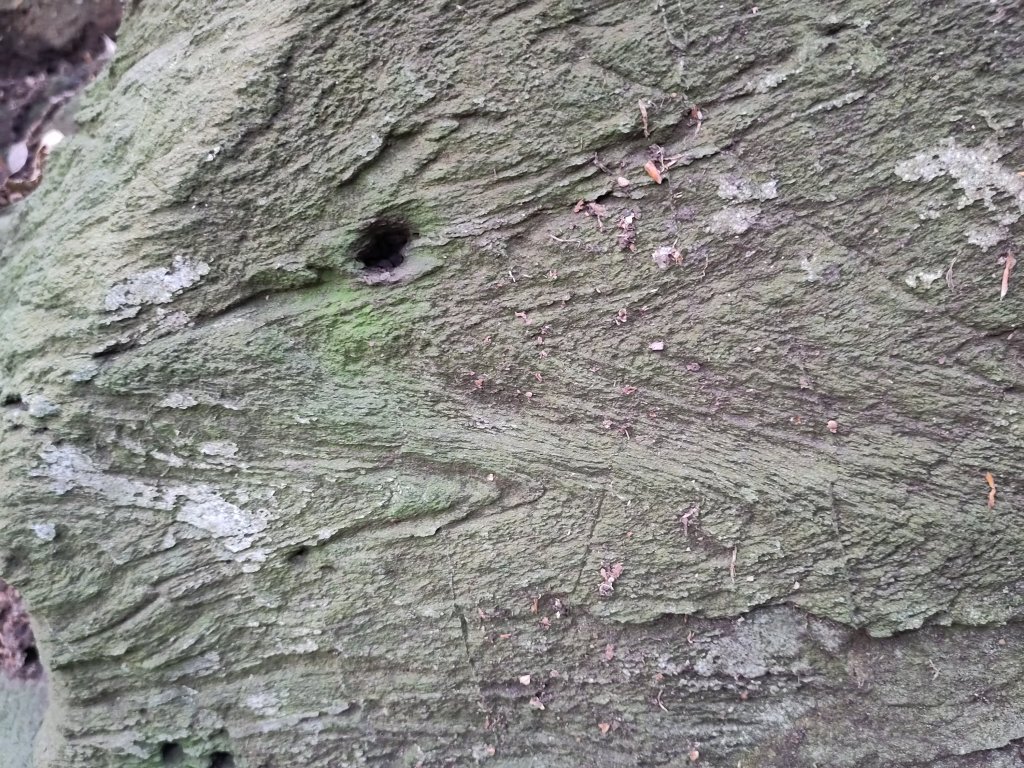
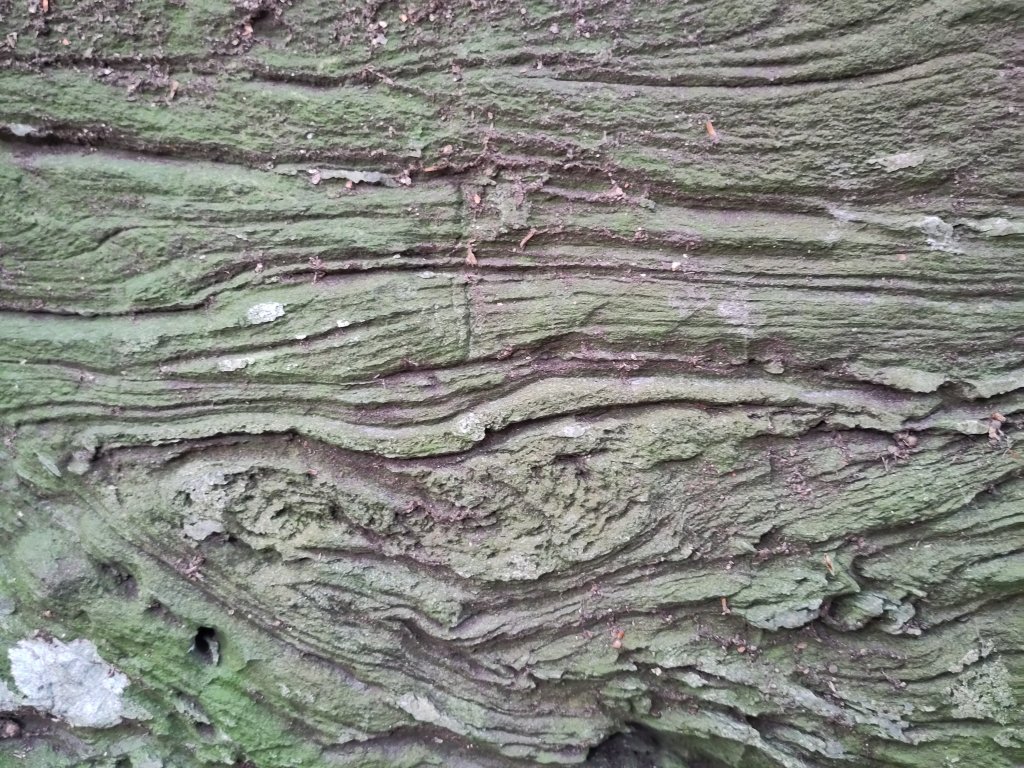

However this may be, it is a truly remarkable type of rock. It was recognised as something special by the earliest prehistoric peoples to build their burial chambers out of stone. I had planned to visit the Plas Newydd Burial Chamber, and the even more spectacular Bryn Celli Ddu. Both are within a few short miles of the Marquess’s Column. They will have to wait for another visit…
Nos da, bawb! (Good night, everybody!)
P.s. tomorrow I might see more pillow lava further up the coast 🙂
p.p.s. At the time of writing I was confused about the differences between tectonic plates and oceanic and continental crust. I leave it as an exercise for my readers to discover where I went wrong.
 Newmarket Hill
3 replies on “Ancient Geology 4.2: Blueschist and the Marquess of Anglesey’s Column”
Awe-inspiring to think where this blueschist has been and now graces our land
[…] Ancient Geology 4.2: Blueschist and the Marquess of Anglesey’s Column -> […]
[…] <- Ancient Geology 4.2: Blueschist and the Marquess of Anglesey’s Column […]